

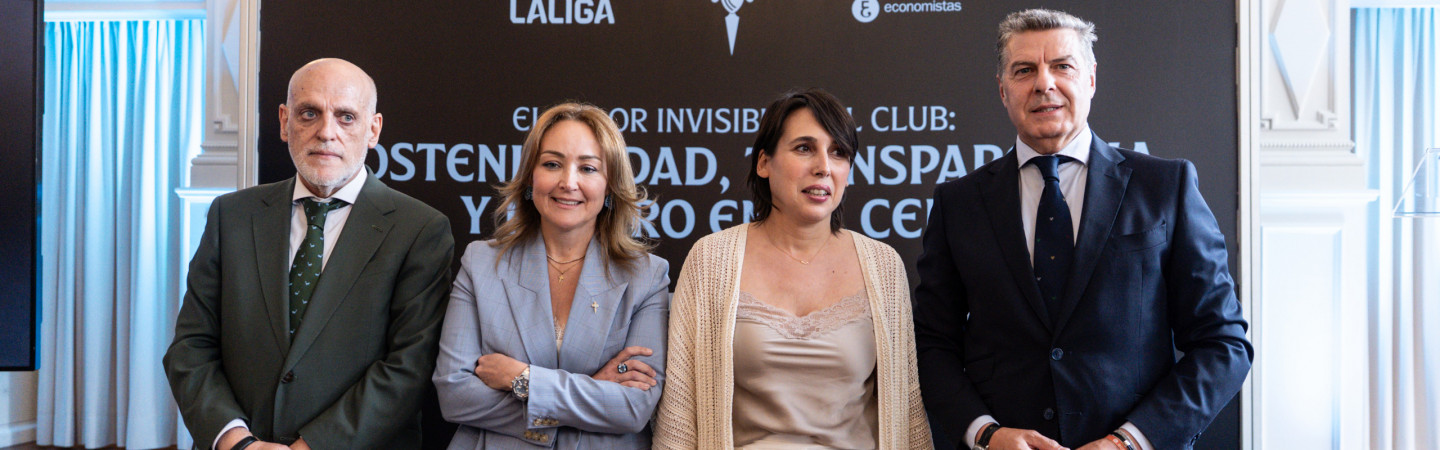
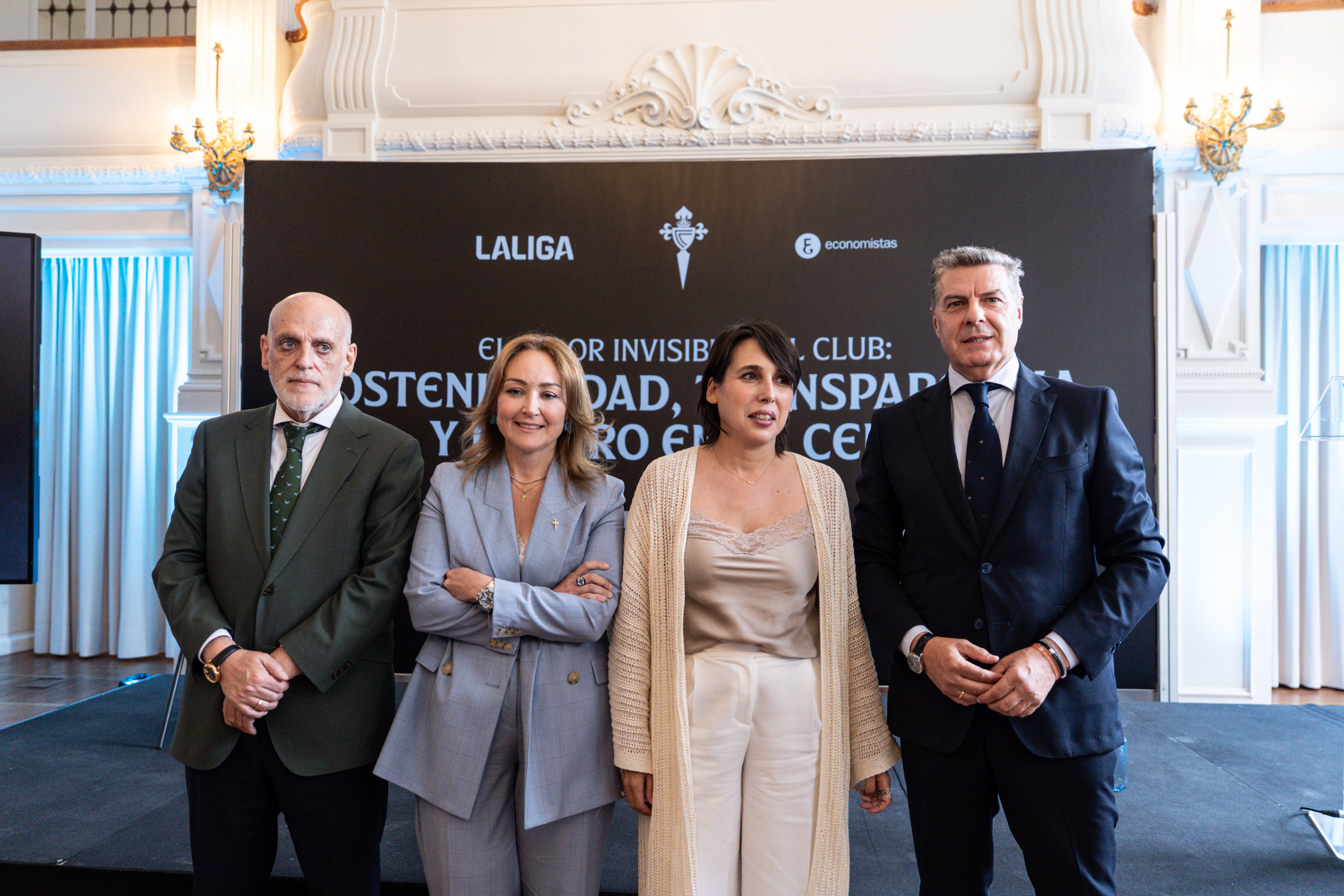
The General Council of Economists of Spain and LALIGA held a recognition event this Monday in the Salón Regio of A Sede (Vigo) to present Celta with the prestigious seal of transparency and excellence in non-financial reporting, an honor achieved by very few football clubs. The event brought together Javier Tebas, President of LALIGA; Marián Mouriño, President of Celta; and Miguel Vázquez Taín, President of the General Council of Economists of Spain, for a roundtable discussion preceded by an address from María Jesús Lorenzana, Regional Minister for Economy and Industry.
The event also highlighted the evolution of the Celta brand, which appears in the Brand Finance Football 50 2025 report as the LALIGA brand with the greatest growth in brand strength. Its Brand Strength Index (BSI), which measures a brand’s perception, reputation, and recognition across different markets, rose from 51 to 57 points out of 100. This represents a 12% increase and places the club as the seventh most improved football brand worldwide in this category.
In addition, Celta has entered for the first time the top ten Spanish football clubs by brand value, with an estimated valuation of €54 million. This figure represents annual growth of 26%, the second-highest increase in LALIGA, behind only Athletic Club, and amounts to approximately €11 million in additional brand value in a single year.
The club’s financial strength was also highlighted, with €57 million in net equity, as well as €191 million in total revenue generated and €72 million invested over the past five years. These figures demonstrate the scale and ambition of the transformation project being driven by the club.
“Celta’s growth in brand terms reflects a transformation that goes beyond sporting results and positions the organization as a benchmark in the creation of economic, social, and reputational value within professional football,” LALIGA stated.
“This recognition and the figures presented today confirm that Celta’s growth is the result of a long-term vision based on transparency, sustainability, and responsible management. Entering the top ten most valuable brands in Spanish football for the first time, with one of the highest growth rates in the sector, fills us with pride, but it also reinforces our commitment to continue creating value for our supporters, for Vigo, and for our entire community. We want Celta to become stronger both on and off the pitch, building a solid and sustainable legacy for future generations,” said Celta President Marián Mouriño.
In this context, the club’s progress in sustainability was also emphasized. According to the indicators presented during the event, Celta significantly outperforms the industry average in areas such as executive leadership, operations and infrastructure, supply chain management, sustainable mobility, and stakeholder engagement, consolidating an increasingly integrated management model aligned with ESG standards.
The Growth of the Vigo Club Depends on Celta360
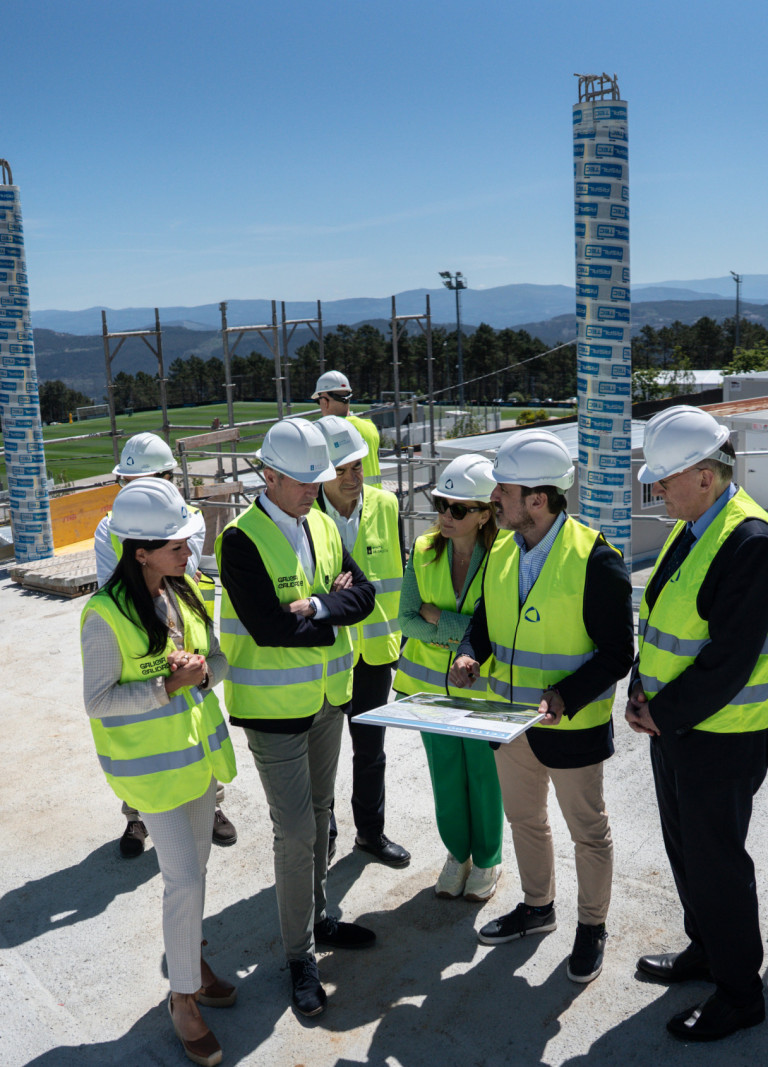
The speakers agreed that the increase in Celta’s brand value is the result of a deeper transformation that extends beyond sport. In this regard, they highlighted the development of Celta360 and the €120 million investment that the club intends to make to strengthen the project. Celta360 is conceived as an ecosystem integrating sport, education, health, innovation, leisure, and tourism, expanding the club’s economic and social impact while generating new development opportunities for the region.
“We are aware that our club’s growth depends on the Celta360 project, an ecosystem that we are building so that the club’s heritage continues to be a strategic and identity-defining asset. Celta360 represents the evolution of the traditional club model into a comprehensive sports environment capable of generating competitive, academic, and business impact,” explained Marián Mouriño.
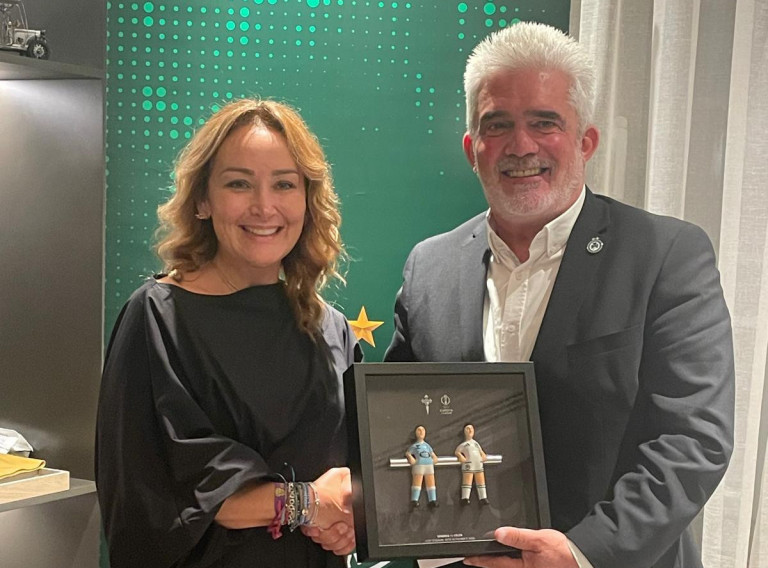
The event concluded with the official presentation of the aforementioned recognition seal to Celta for its commitment to transparency and non-financial reporting. This distinction highlights the club’s evolution toward a management model in which sustainability, accountability, and long-term value creation are placed at the heart of its strategy.